Free Reads

Back to Library >
ti icon

Free Reads

Green light for zero-carbon fuels

3 years ago

Writer:

Dan Prosser | Ti co-founder

Date:

27 March 2023

ti icon

Library

Culture clash

You’d think that waking up feeling like a half-cooked boil-in-the-bag ready meal would be something to forget. A portion of meat soaked in alcohol. Coq au vin. Although I was rather...

King Kalle 

It looks like he’ll be the youngest WRC champion in history, and by a staggering six years. Just what is it about this unflappable, furiously fast Finn? By Henry Catchpole
For a time, it seemed as though Europeans would no longer be able to buy a brand new car fitted with an internal combustion engine after 2035.

An EU ban on the sale of new petrol and diesel cars from 2030, and plug-in hybrid cars five years after that, appeared to be a death knell for the combustion engine. But as the law has worked its way through the European Parliament, deals have been struck and new details have emerged. 

Green light for zero-carbon fuels

We now know that low-volume car makers – registering fewer than 1000 new cars per year – will be able to continue selling petrol and (in theory, but it seems unlikely) diesel cars in the bloc after 2035. And now, after Germany blocked the legislation earlier this month, new cars that run on carbon-neutral fuels have been exempted from the ban as well. It all means suck-squeeze-bang-blow ain’t dead just yet. 

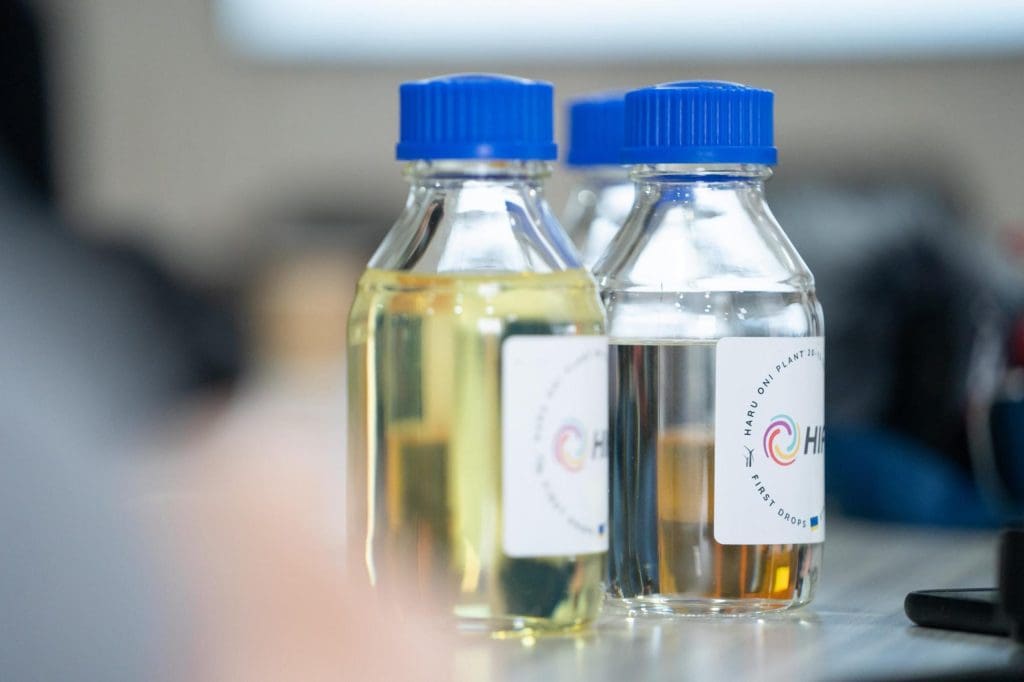
Germany’s transport ministry has been arguing the case for carbon-neutral fuels in support of its world-leading car manufacturing sector – car makers will otherwise have been forced to abandon internal combustion altogether in favour of battery-electric vehicles. Carbon-neutral fuels, notably synthetic fuels or e-fuels, are produced using carbon captured from the atmosphere, plus low-carbon hydrogen. Unlike biofuels they aren’t made from crops that could otherwise be used for food.

Green light for zero-carbon fuels
Ferrari’s CEO welcomed the move

Environmental groups are upset about this late deal between Germany and the European Commission because e-fuels still produce local emissions, even if they don’t contribute to global CO2 output. Quite how regulators will prevent owners filling up with petrol rather than a more expensive e-fuel is unclear, but this move leaves the door open for the likes of Porsche, Ferrari, McLaren and other performance car makers to carry on building ICE cars. Ferrari CEO Benedetto Vigna today said: ‘…on top of electric cars, we’ll also be able to go on with our internal combustion engine ones.’ 

Green light for zero-carbon fuels
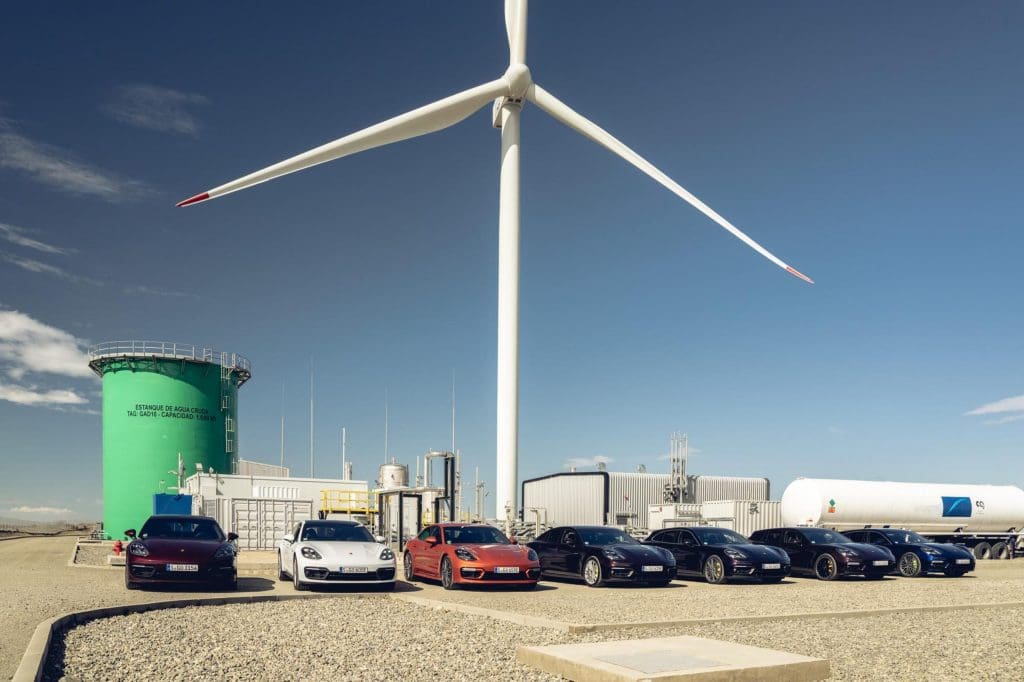
Porsche’s e-fuels plant in Chile

Porsche has invested heavily in e-fuels and will be particularly delighted by the move. Is it the right one? We think it is. For one thing, the EU is supposed to be agnostic when it comes to technology. Politicians and regulators should write the legislation and set the targets; scientists and engineers should be left to figure out how best to meet them, be it battery power, new clean fuels or hydrogen. What’s more, EV technology may well be the right answer for most new vehicles, but not all. Common sense, it seems, has prevailed. 

ti icon

Library

Saving Jaguar – Part two

John Egan turned a basket case into a business worth billions. Mel Nichols asks him how he would turn around Jaguar today

Who is BYD?

If you’ve not heard of BYD, you soon will. Gavin Green reports on the rise and rise of the most important new car company since Tesla

ti icon

Subscribe

Join The Intercooler's thriving community today and get access to:

Award-winning magazine

Award-winning magazine

Ad-free on website and app

Subscriber-only podcasts

Subscriber-only podcasts

Listen without ads

Audio articles

Audio articles

Listen on the go

Full Library access

Full Library access

1500+ stories, 2m+ words

Subscribe