Features
Back to Library >
Interview: Aston Martin CEO Tobias Moers
5 years ago

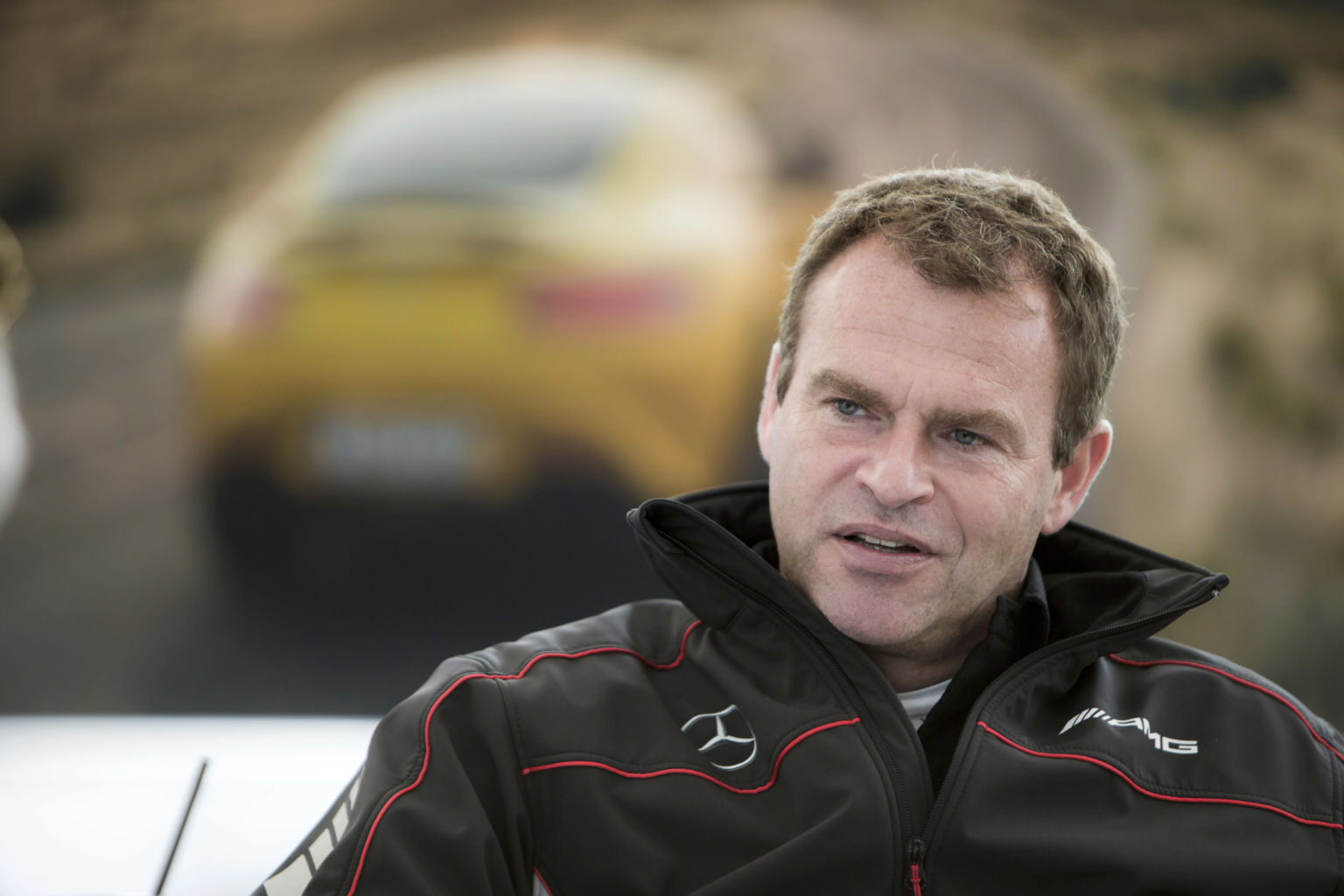
But there is no Birgit today and this is an altogether more serious business. Tobias Moers is now the CEO not of AMG, but AML. And after nine months of silence since he joined Aston Martin last summer, he is now prepared to meet the press for the very first time. Nor do I have him to myself. It is one of those roundtable discussions journalists hate because they know all the other journalists around the table are going to nick their quotes. As I have duly done. But for a busy chief executive with a sickly company to save, it is a very efficient way of getting the job done.
And Moers is nothing if not efficient. In fact it’s extraordinary: once I’ve transcribed the tape of our meeting, I am struck by just how much of it he spends talking not about the cars he’s building, but the way they are built. And herein lies a revelation.
I had just presumed that Aston Martin had got itself into trouble because for reasons I couldn’t fathom, the previous incumbent’s ‘Second Century Plan’ was inherently flawed. And that, coupled with the bungled IPO, is what saw Andy Palmer heading for the exit. Yet when you talk to Moers what strikes you is not so much all the things he’s going to change, but all those he is not.
For example, I had thought there’d be a massive range rationalisation as part of very necessary cost cutting measures, but there’s not. Every car currently in production will remain in production. They will then all receive a tranche of mid-life upgrades and remain in production some more. All the cars to which Palmer committed the company – the Valkyrie, Valhalla and Vanquish mid-engined machines – are all nailed into the product planner.
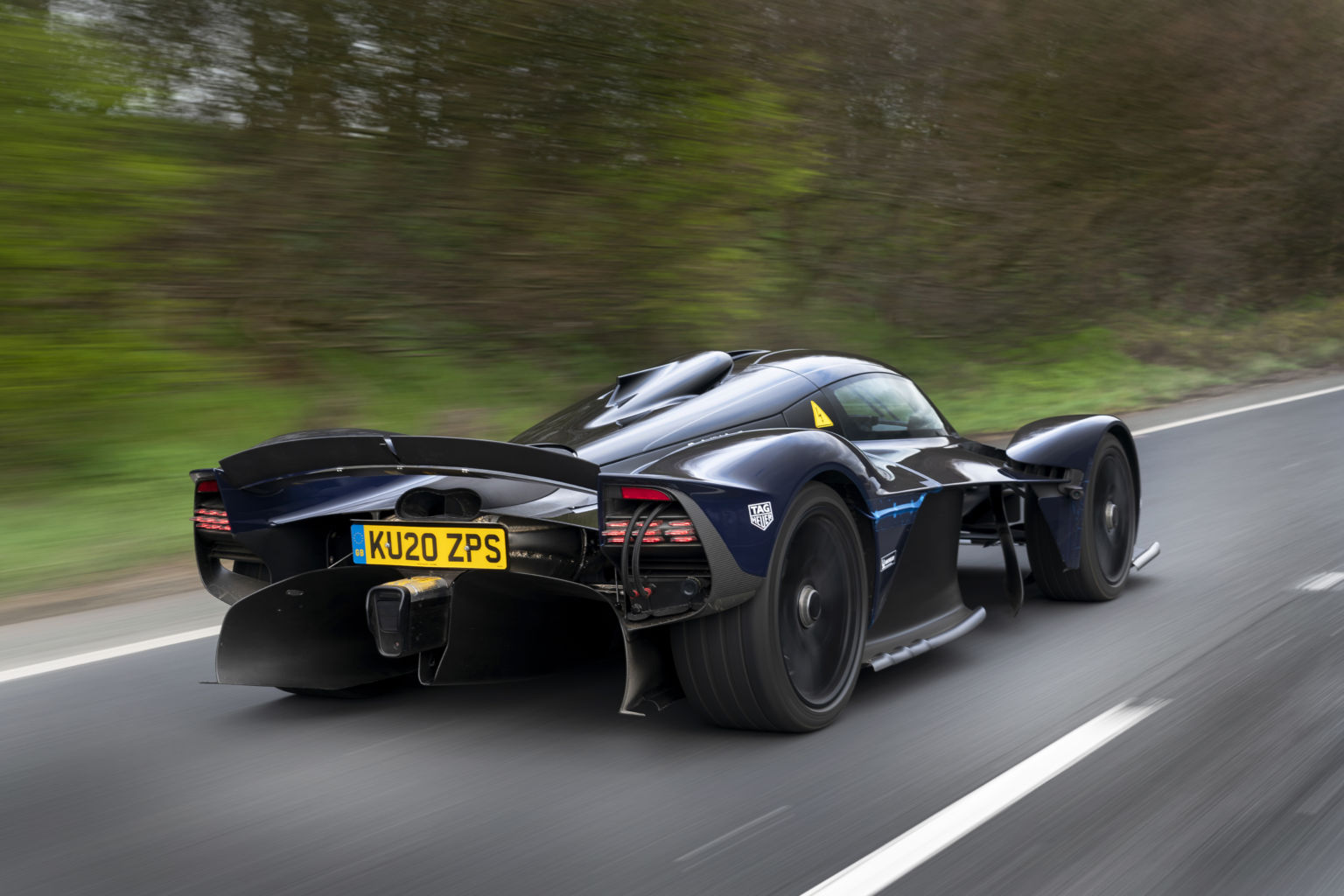
The picture that emerges is a company that got itself into trouble – deep, deep trouble as it turns out – not because the plan was wrong but that its execution was profoundly flawed. And the reason he’s been so quiet for so long is that before he began to focus on the future he had to fix the here and now.
‘It was very impressive how weak the business looked,’ he says, using the word in its literal sense. He does not mean it as a compliment. He really likes the DBX SUV, which is not always a given when you ask one engineer about the work of other engineers, and says he’d not have joined the company without it. ‘But the cash the company was spending, day by day by day…’ There he pauses for effect.
So something called ‘Project Horizon’ was born, instituted last October and charged with sorting not so much Aston Martin the brand, but Aston Martin the manufacturer.
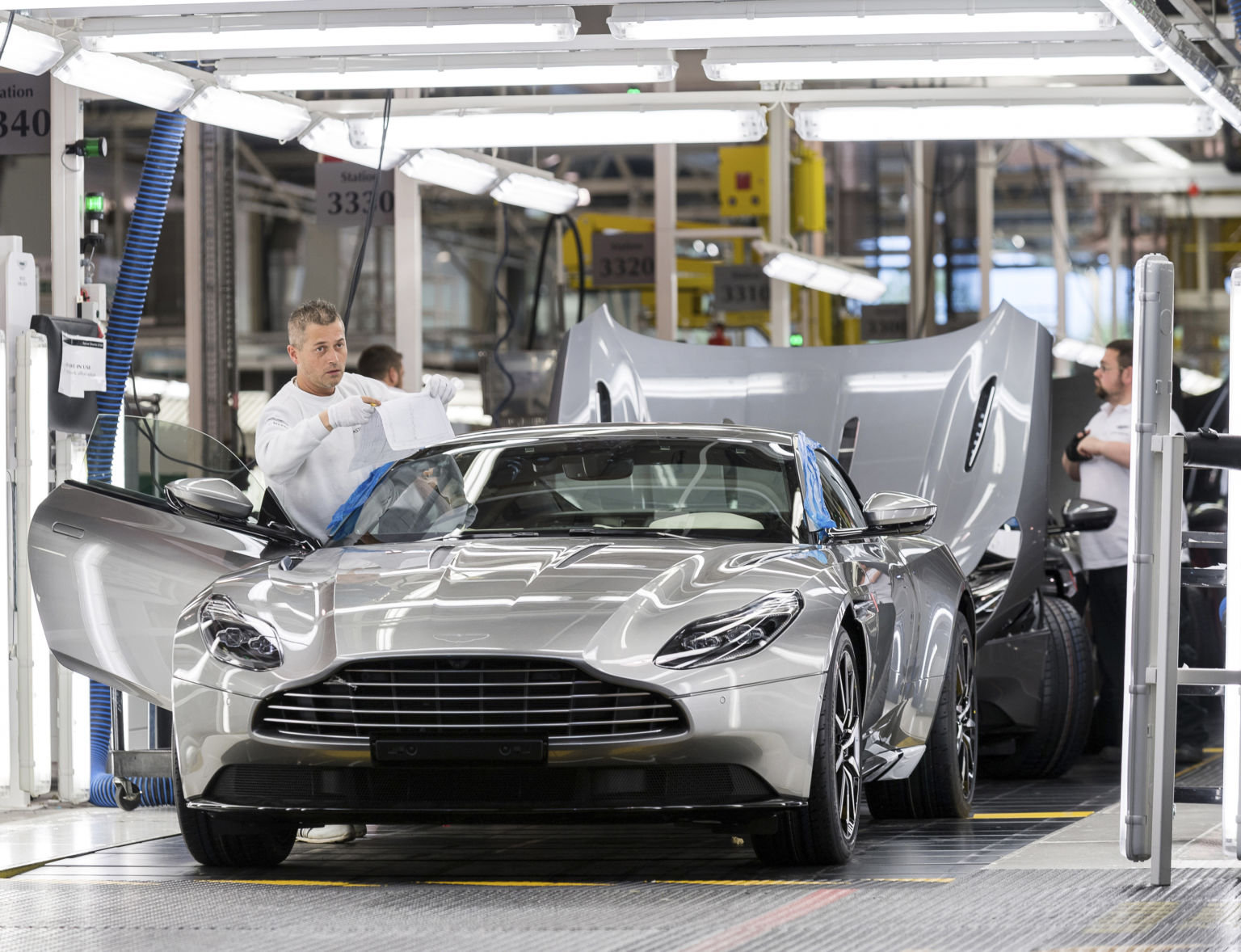
‘At Gaydon we had two productions lines making cars on the same platform. Why? I closed one and now all our sports cars come down the same line. At St Athan we had a brand new, very expensive paint shop that was only painting DBXs. Now it paints all our cars.’
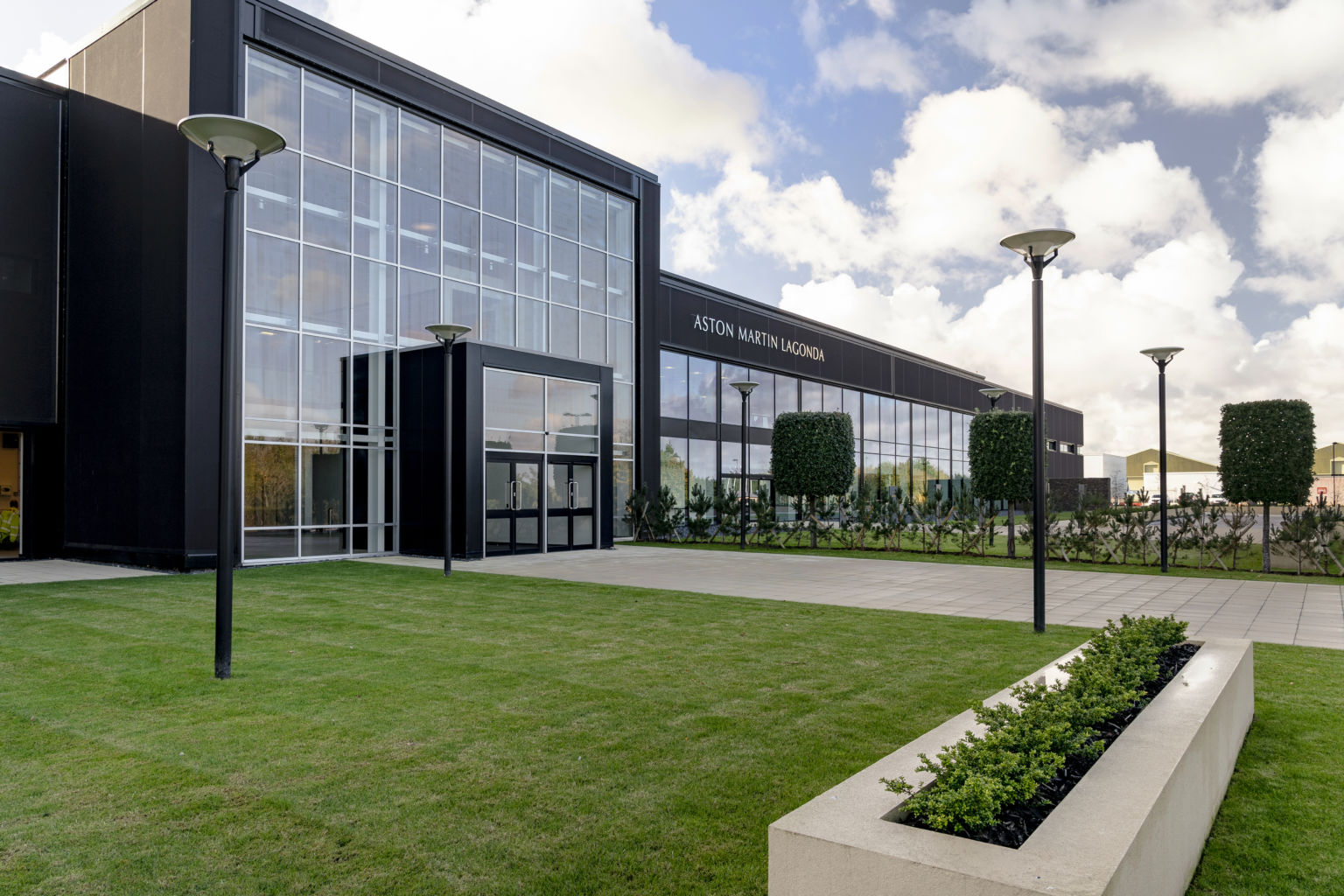
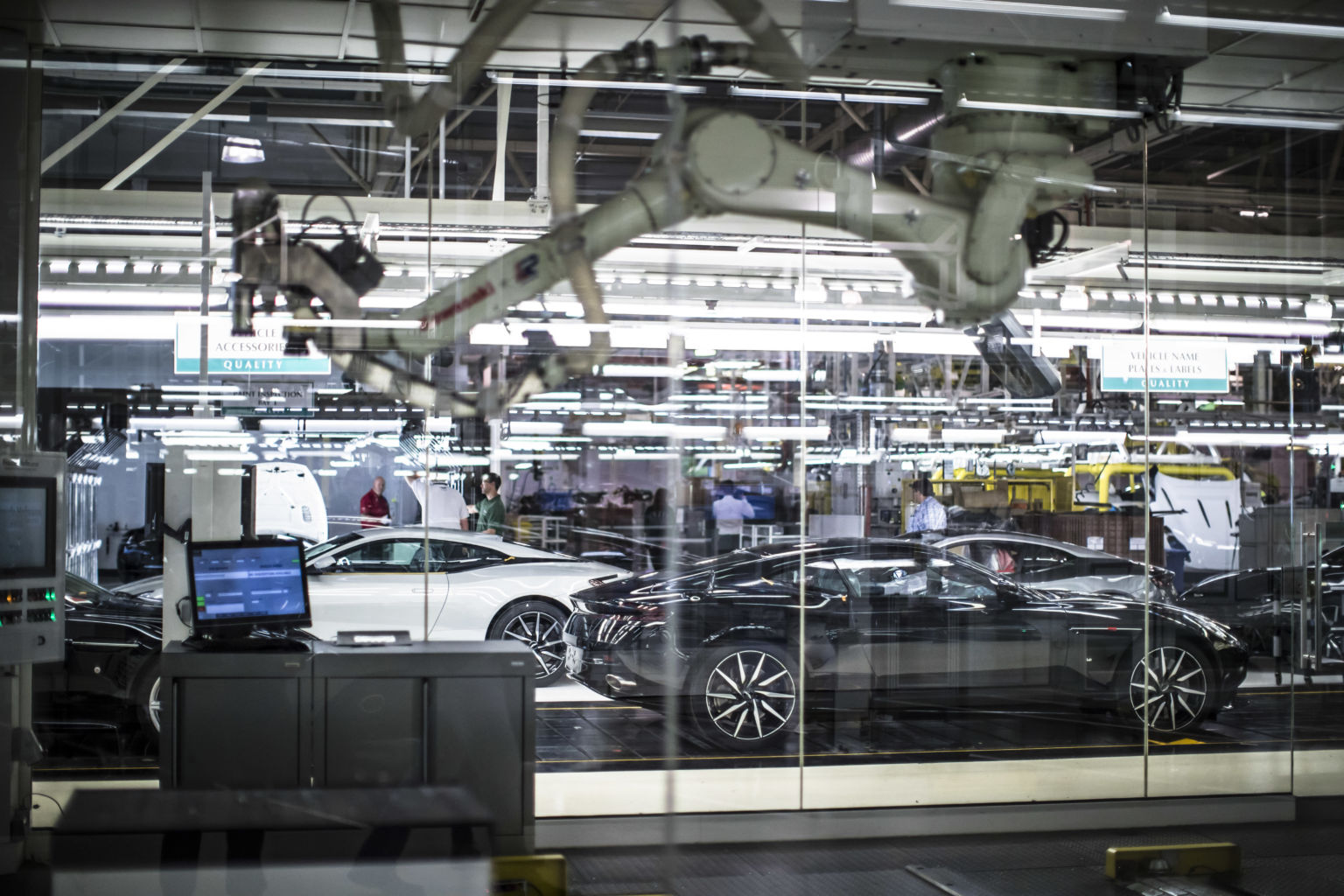
He has reduced the number of stations required to build a car from 70 to 23, the number of cars in some state of build at any one time from 400 to just over 100. Parts and materials required for assembly are no longer stacked up by the line, but arrive when needed. To many who understand manufacturing – and certainly to Moers – this is basic stuff and some might be surprised the cars were ever built any other way, or that there were 70 people at Gaydon just fixing problems on cars after they’d come off the assembly line. He claims to have increased efficiency by 35 per cent. In the world from which he came from, 3-4 per cent was regarded as good going.
The result, says Moers, ‘is the same number of cars built but with much higher quality.’ He says warranty claims have fallen in percentage terms by ‘a huge double digit number’, that the existing stock has been cleared out and discounting reduced with an inevitably positive effect on residual values. ‘It is a much better place now, with efficient manufacturing and products for the future. Now we must prepare the network for the new product journey. That is the last tick in the box.’ Moers may have been quiet these last 12 months, but he has not been idle.
But what of those new products? Broadly they fall into three categories. The first are the existing cars which are being upgraded in real time and, as already mentioned, built more efficiently to a higher standard.
The second category are the as yet unseen variants. ‘The DB11 should have had a facelift this year or last, but when I got here there was nothing, so we are going to extend the product cycle to do this, which is not such a strange thing for a small sports car maker.’ And in a similar time scale will come a revised Vantage and DBS. But these will be no nipped and tucked cosmetic upgrades designed to keep old cars looking young, so extensive are the planned changes they will be ‘kind of new cars. All of them.’
Probably the area of greatest evolution will be the powertrains. Now that Moers can raid AMG for anything he wants, his eyes have fallen squarely upon the just announced 800bhp plug-in hybrid version of its current 4-litre V8 engine, a motor in whose creation he was, of course, instrumental in his former life. This is the engine that once installed under the bonnet of the DBX will become Aston Martin’s first hybrid and a storming flagship for a range that will continue to expand both in engines and, I infer from his uncharacteristically oblique words on the subject, shape too. He rules out doing a four-door coupe like a Porsche Panamera but when I suggest a sleeker DBX to answer the Porsche Cayenne coupe, or a longer one for markets where a full luxury chauffeur driven model would appeal, he simply smiles and says, ‘we have lots of ideas, and will consider them all.’
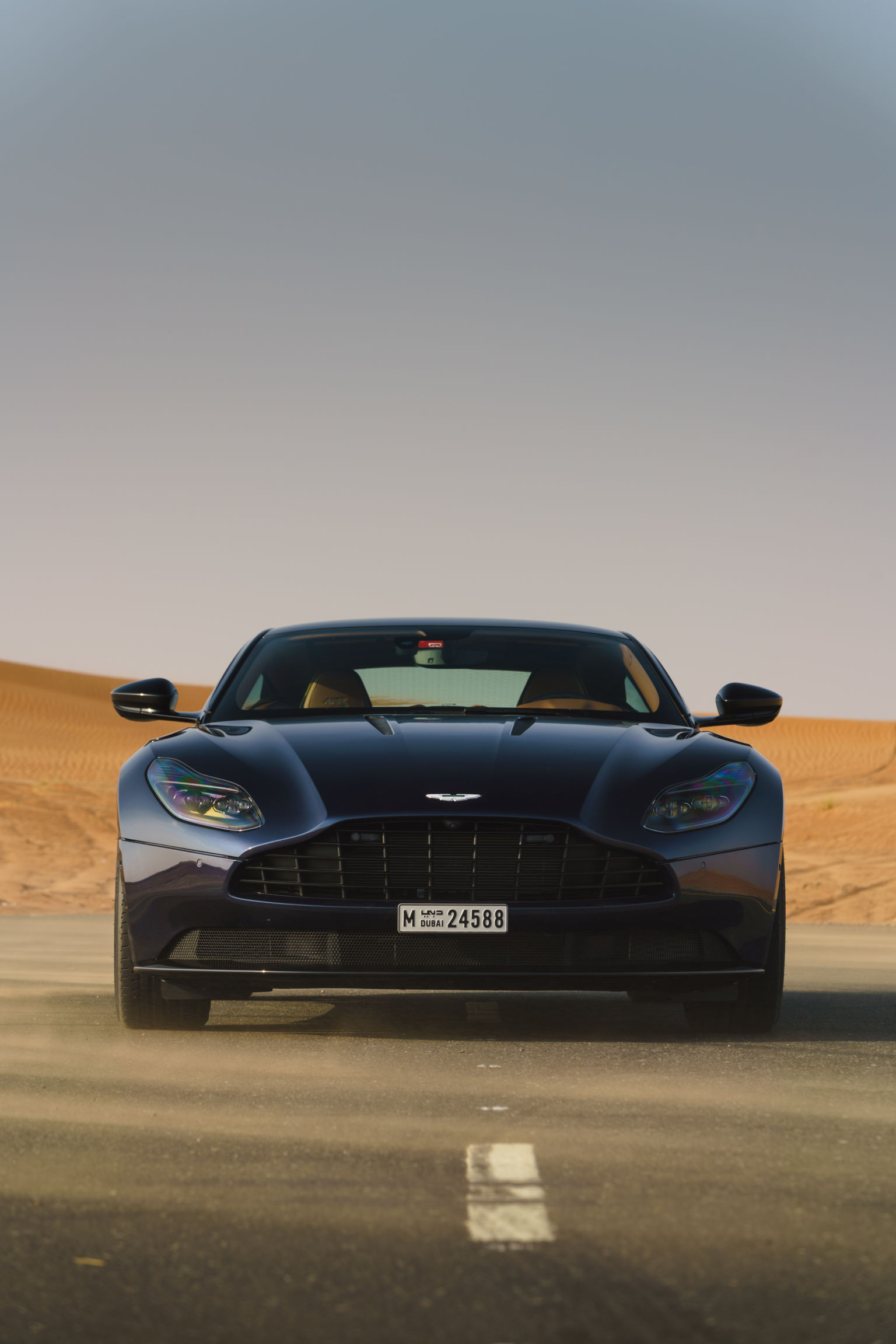
Given the towering output of that V8 and the fact that Moers was responsible for deleting the ageing Mercedes V12 from AMG’s ranges, I feared the same fate awaited Aston’s own V12 which, lest we forget, started life in a Ford concept car 25 years ago. But no: ‘we have a bespoke V12 which for a small luxury company like Aston Martin is very important. We will keep it for as long as we can.’ That probably means until the forthcoming Euro 7 emissions legislation is implemented, which is expected to be around 2025, when the investment required to make it compliant would likely never be recouped.
But while Aston’s oldest engine lives on, its youngest does not. Remember the plug-in hybrid V6 that was going to be Aston’s first genuinely new in-house designed engine for over half a century? The one that would have ended up in everything from the Valhalla to the DBX? Moers has killed it. ‘It was a concept engine,’ he says dismissively. ‘A huge investment would have been needed to bring it to production. It wasn’t even close to being EU7 capable.’ I expect affordable access to AMG powertrains may have had something to do with the decision too. The most pressing need for this engine was the 2023 Valhalla hypercar, which is now being re-engineered to take the AMG plug-in V8 which will likely result in both more power and weight than originally intended for the car.
The final category are those cars which have not yet been announced. And here’s the news: so far as mainstream models are concerned, they’re all electric and they’ll be here sooner than you think. Almost certainly using Mercedes-Benz EV platform architecture, the first all-electric Aston is as little as four years away and will likely be one of the sports cars, either the Vantage or DB11. Moers concedes the old and new ranges could overlap, but thereafter all new standard production Aston Martins will be electric only.
Quite a thought, isn’t it? But Moers insists that an electric Aston Martin sports car is not a contradiction in terms. ‘You have to choose the right battery technology, the right powertrain layout with an individual motor at the back and perhaps two at the front and then you can have fun.’ He says the noise and vibration of an internal combustion engine can be synthesised and points out that all modern cars already synthesise their sounds to some extent. As for keeping the weight down, he sees two philosophies: ‘You can go for a big battery that provides range but which is heavy, or a small battery that is light but requires charging more often. I think as fast charging develops, that will be the right way to go.’
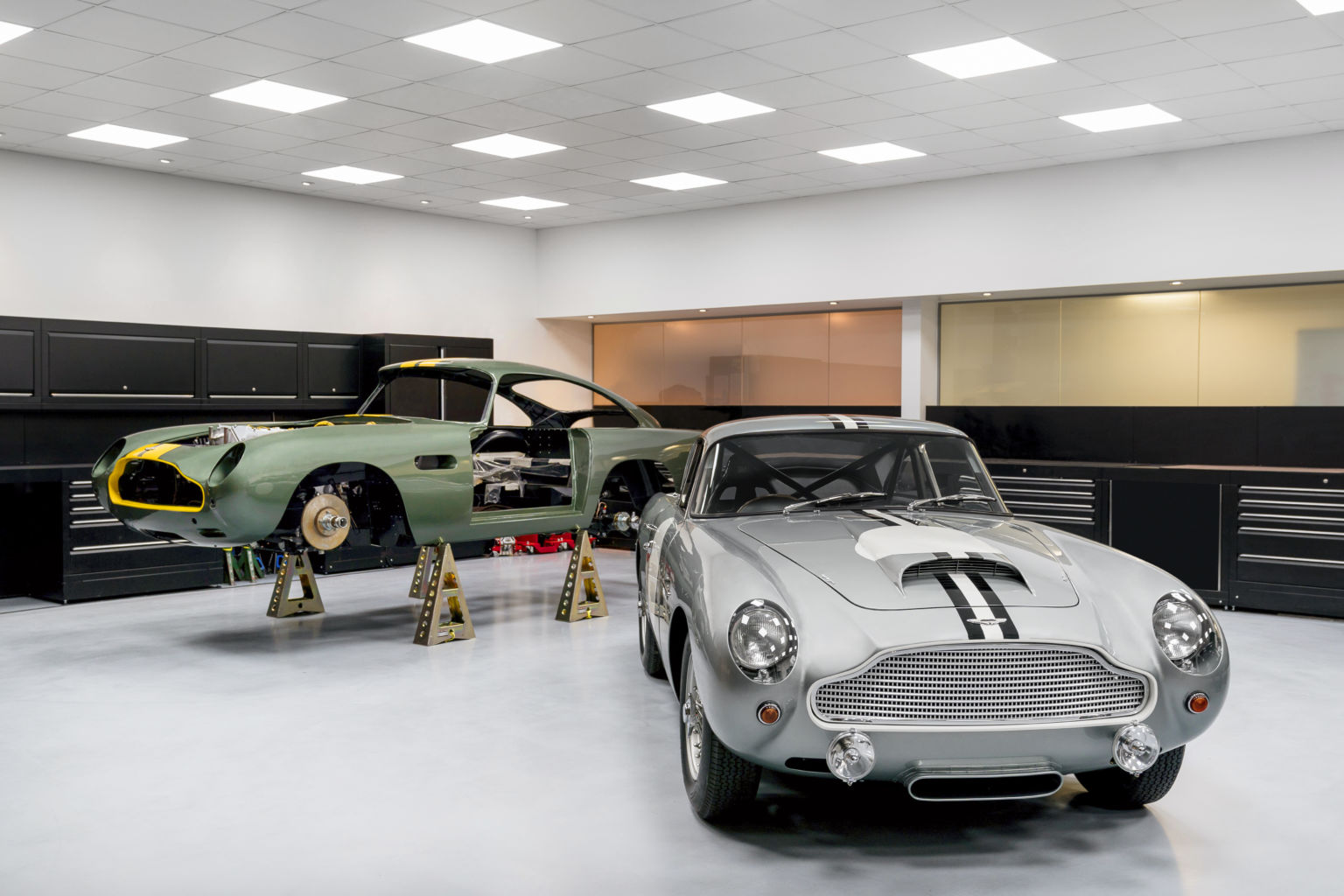
Moers is now focussing on other areas of the business where comparatively small changes can make a big difference. There is a new configurator coming and there will be a much greater range of personalisation options available on Aston Martins in future. There are no more continuation cars planned on his watch – which means the DB3S they were secretly working upon seems likely now not to happen – and he says that had he been in charge at the time they’d never have made any to begin with. And engineer though he is, he is also big on the ‘brand’ and will do everything he can to ensure it is not diluted.
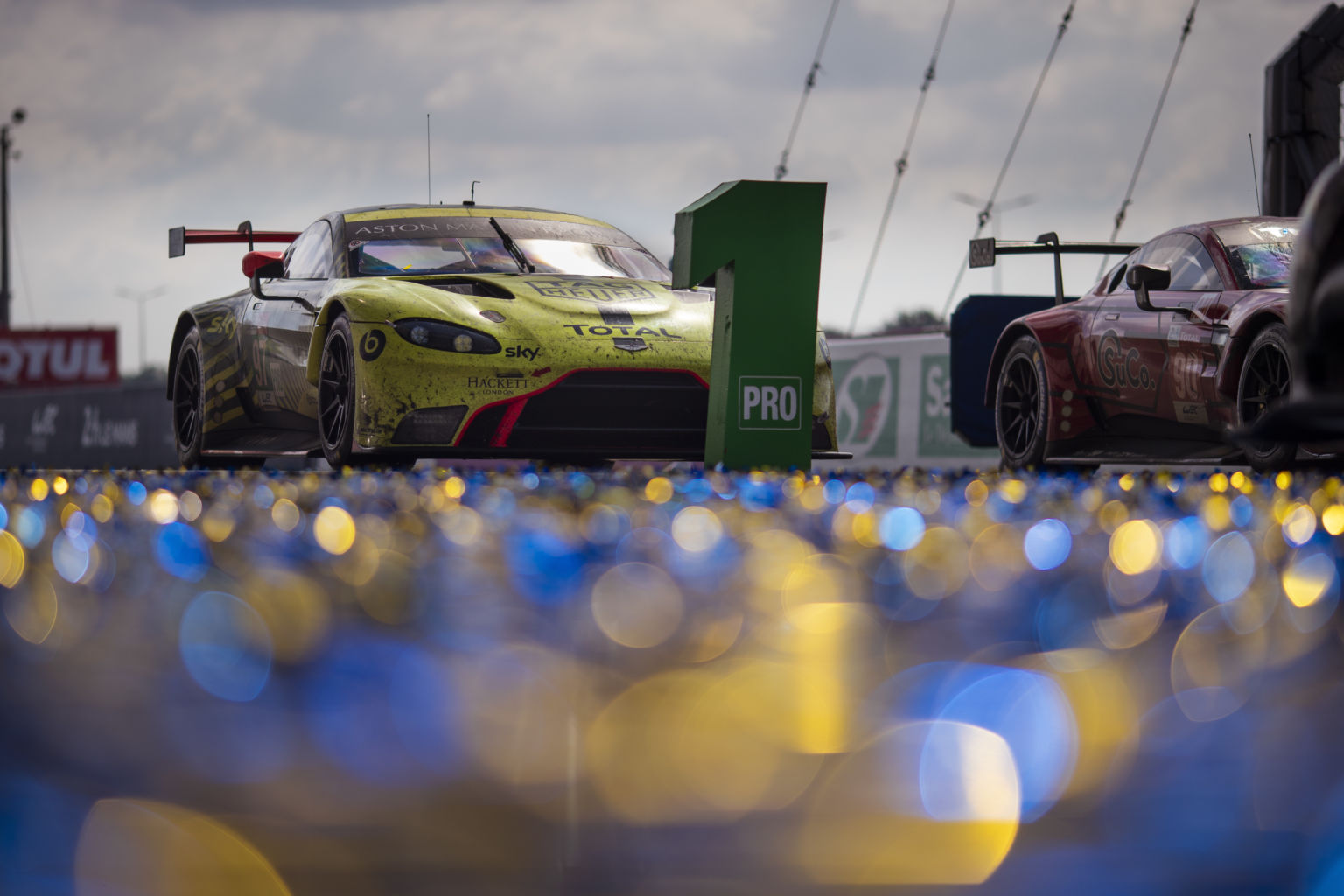
He remains committed to Formula 1, not least as being a title sponsor in 2021 of what was the Racing Point F1 team is costing him less than it cost just to sponsor Red Bull last year. Sadly there are no plans to follow Ferrari and Porsche into either of new hybrid prototype categories of sports car racing. He will maintain or even expand the customer GT3 and GT4 racing programmes, but no more.
And that’s about it. Our time is up and I’m left wondering what to make of it all. On the one hand Aston Martin seems to be forever introducing a new boss with a bold vision for the future, few of whom have lasted long before the company is plunged back into financial difficulties, so we have been here before. Then again, while Andy Palmer was an engineer first and businessman and car manufacturer a fairly distant second and third, Moers’ track record at AMG, where he totally transformed the business, speaks for itself. There is not the merest whiff of the dreamer about him: he is a rock hard realist, an industry man to his boots who knows how to get things done.
That he can turn Aston Martin into a streamlined, efficient business is no longer in doubt, because he’s already well on the way to achieving it. Which is important – vital even – to the survival of the company. But so too is the preservation of its character and how he goes about ensuring that in the era of battery-powered Aston Martins remains very much to be seen. However great the challenges he has faced in the time he has already been at Aston Martin, I suspect that they pale into insignificance compared to those that still lie ahead.

